
LAYLA BILLINGS, PMHNP-BC
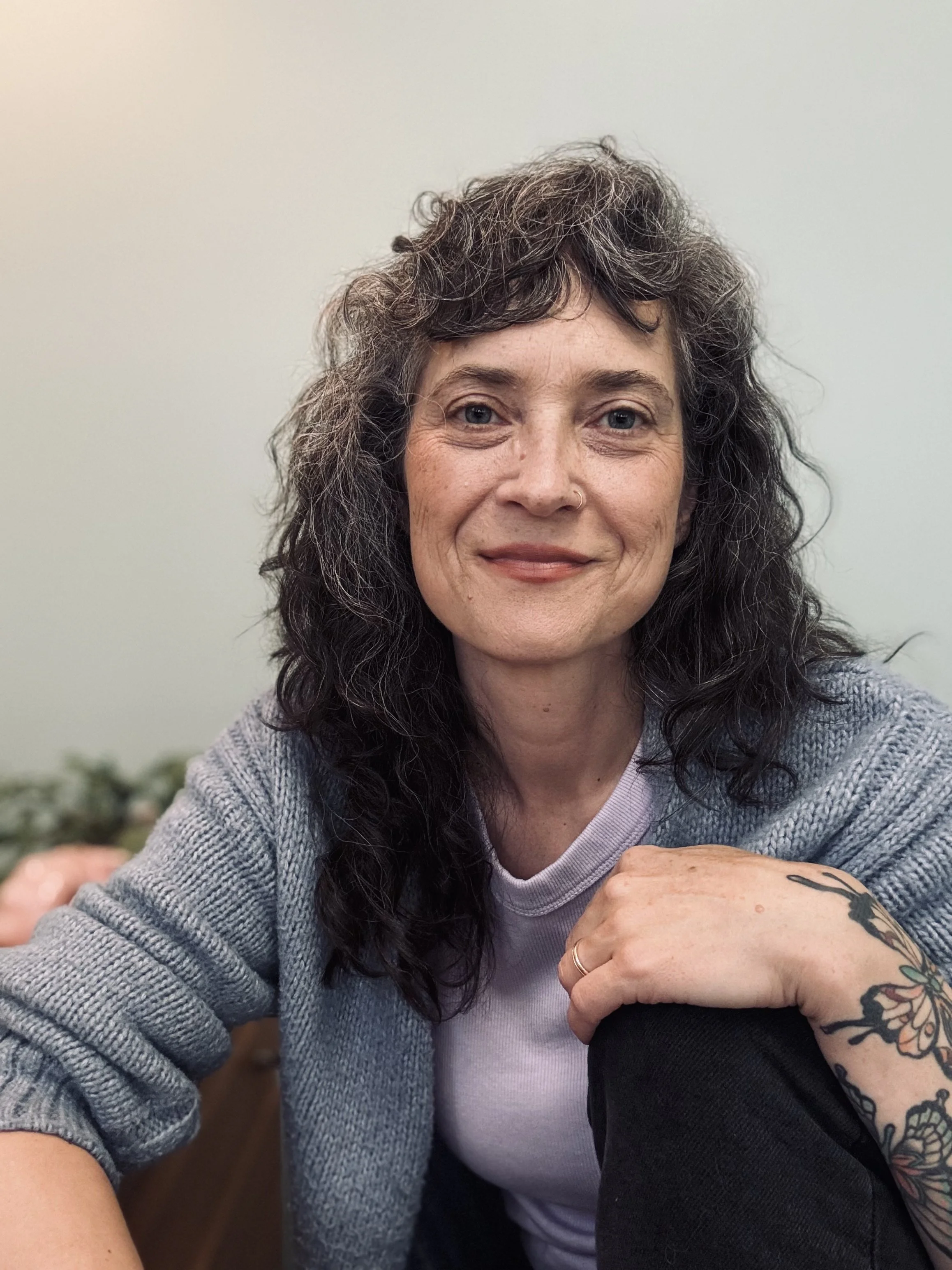

You don’t have to figure it out all by yourself.
I'm a Maine-based psychiatric nurse practitioner helping perimenopausal women navigate anxiety, mood changes, and midlife transitions with care that addresses both symptoms and the bigger picture.
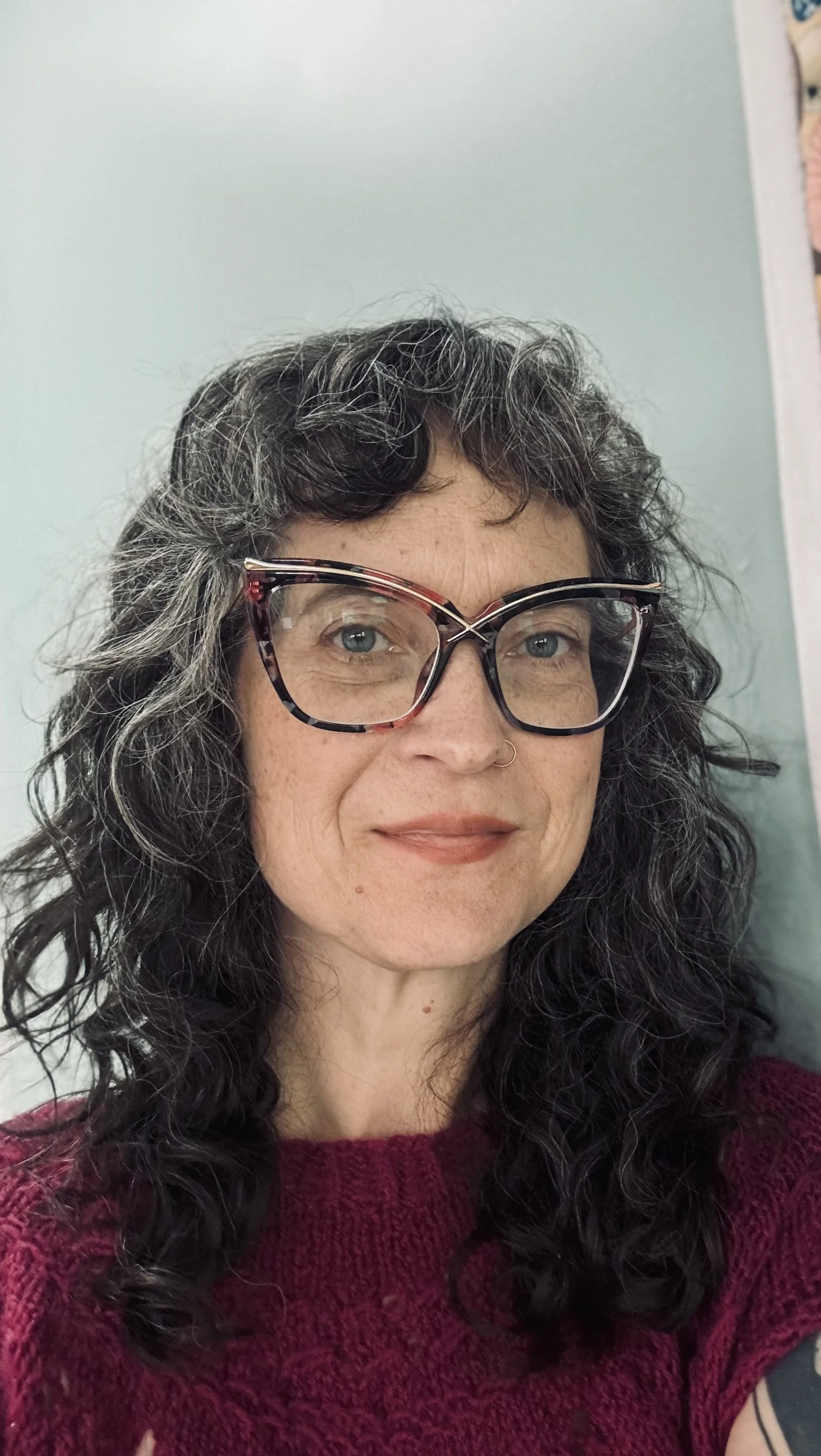
WHY THIS MATTERS TO ME:
“Find out who you are and do it on purpose” - Dolly Parton
Like many women, I entered midlife while trying to hold together work, family, and community, only to find myself confronting the unexpected realities of perimenopause.
I saw in myself, and in many women I cared for, how changes in mood, sleep, focus, and functioning were often dismissed as stress or aging and how that needlessly intensified our struggle and undermined self trust.
I chose to focus my work here because women deserve more than being told to push through. Midlife is not merely a hormonal event to endure. It is a biological, psychological, and existential transition that deserves thoughtful care and the possibility of becoming more fully ourselves.

In the spirit of speaking from the deepest sense of who we are,
I want to share a few things about how I got here:
Before I became a nurse practitioner, I studied literature and theater and earned a Master of Fine Arts degree in poetry. I believe that story is one of our most fundamental paths to understanding ourselves and our lives and I often use myth, fable, and narrative in my work with clients.
I am trained as a yoga instructor and use breath and posture along with somatic therapy tools with clients when appropriate.
I believe in the power and potential of psychedelic medicine to shift deeply ingrained patterns in the psyche and in our neurobiology, and I have extensive training in psychedelic-assisted psychotherapy through the California Institute of Integral Studies, MAPS, and Rainfall Medicine. I offer ketamine-assisted therapy as one modality we may consider in our work together.
WHAT WE’LL DO:

We begin with a brief consultation call to make sure all your questions are answered, followed by a comprehensive intake evaluation.
During the intake evaluation, we'll explore your symptoms, psychiatric history, medical background, life circumstances, and the broader biological, psychological, and social factors shaping your experience.
Together, we'll develop an initial treatment plan. This may include medication recommendations, lab work, collaboration with other healthcare providers, lifestyle interventions, psychotherapy, or a combination of approaches.
We’ll focus both on relieving symptoms and understanding what deeper healing, growth, or change may be asked for at this stage of life.

Ongoing care varies from person to person.
If you're already doing meaningful work with a therapist, our follow-up visits may be shorter and focused on medication management, lifestyle factors, and treatment coordination.
If psychotherapy is a central part of our work together, we may meet more frequently and address the needs of mind, body, and psyche in an integrated way.
WHAT I BELIEVE:
-
Not every symptom is something to “fix”. Some experiences deserve to be eased as quickly as possible, while others may be carrying important information about what is changing beneath the surface.
Part of our work is discerning the difference.
Together, we'll explore what's contributing to your distress—biologically, psychologically, relationally, and developmentally—so we can respond thoughtfully rather than simply suppressing what feels uncomfortable.
-
Psychiatric medication can be life-changing. It can reduce suffering, restore stability, and create the conditions needed for healing and growth.
But medication alone rarely resolves the deeper questions that often emerge in midlife.
That's why psychotherapy remains central to my work. Beyond symptom relief, therapy creates space to understand patterns, navigate transitions, process losses, strengthen relationships, and reconnect with the parts of yourself that may have been overlooked while you were busy managing life.
-
Mental health does not exist separately from the body.
Hormonal shifts, sleep disruption, nutrition, movement, stress physiology, inflammation, and chronic health conditions can all influence mood, cognition, anxiety, and emotional resilience.
Alongside traditional psychiatric treatment, we may incorporate evidence-informed lifestyle and integrative approaches when appropriate—including nutrition, exercise, supplements, sleep optimization, and nervous system regulation—to support your overall well-being.
-
Many women arrive having accumulated medications over years of treatment, often prescribed during different seasons of life or to manage symptoms whose underlying causes were never fully understood.
When appropriate, we'll carefully evaluate whether each medication is still serving you.
Sometimes the next step is adding treatment. Sometimes it's adjusting treatment. And sometimes it's thoughtfully reducing medications that are no longer necessary while preserving the supports that truly help.
Deprescribing is never about taking something away abruptly. It's about helping you understand your options, minimizing risk, and making intentional decisions about the role medication should play in your life going forward.
My goal is to provide the level of support you need now while helping you build a foundation for lasting well-being in the years ahead.

Ready to get started?